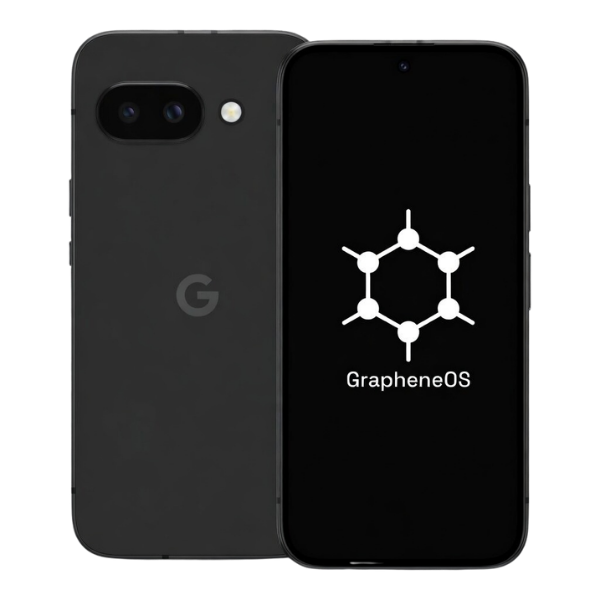
An in-depth, independent analysis of the ZeroGhost mobile privacy platform. Learn how hardened open-source firmware, granular app sandboxing, and zero-telemetry configurations help privacy-conscious users regain control over their mobile digital footprint.
Independent review website. We may earn a commission if you purchase through qualifying links.
Privacy-focused
GrapheneOS-based
App Permission Controls
Secure Boot
Open-source OS foundation
Hardened Memory Allocator
Per-App Network Toggles
Privacy-focused design
Open-source OS foundation
App-level controls
Security-focused configuration
Independent review
DEVICE & SOFTWARE ARCHITECTURE
What Is ZeroGhost?
In an era where standard mobile operating systems are deeply intertwined with commercial tracking ecosystems, pervasive telemetry, and persistent location logging, ZeroGhost is marketed as a dedicated privacy-oriented smartphone configuration. Instead of shipping with proprietary surveillance engines and mandatory corporate account dependencies, ZeroGhost pairs verified enterprise-grade smartphone hardware with a de-Googled, security-hardened operating system foundation—predominantly GrapheneOS.
Understanding how ZeroGhost differs from an off-the-shelf consumer Android or iOS device is critical for prospective buyers. Conventional smartphones come pre-loaded with vendor bloatware, advertising identifiers (GAID/IDFA), constant background location pings, and unremovable system applications that enjoy root-level diagnostic privileges. In contrast, the software stack utilized on ZeroGhost strips away non-essential background telemetry, disables advertising IDs at the kernel level, and enforces strict, isolated application sandboxing.
The underlying system architecture benefits from GrapheneOS’s acclaimed security innovations: an advanced hardened memory allocator (hardened_malloc), per-app network and sensor permission switches, sandboxed Google Play Services compatibility (which treats Google components as untrusted, isolated regular apps), and hardware-enforced Verified Boot with physical cryptographic attestation.
Important Reality Check: While ZeroGhost offers substantially higher privacy and attack surface reduction compared to standard commercial phones, no physical communications device can offer "guaranteed 100% anonymity." Cellular towers still triangulate active SIM signals, and logging into identified social media accounts within any browser will identify you to that platform. ZeroGhost is a powerful tool to minimize operating system telemetry and prevent unauthorized data harvesting, not an invisibility cloak.
Before ordering, buyers should verify whether their essential everyday banking, navigation, or enterprise workflow applications function seamlessly within an unprivileged sandbox environment, as certain apps with proprietary DRM or aggressive SafetyNet/Play Integrity requirements may require specific configuration.
Privacy-conscious individuals seeking to de-Google their digital life
Security professionals, journalists, attorneys, and remote executives
Technically comfortable Android users wanting pre-configured peace of mind
Potential Drawbacks & Considerations
Initial learning curve for configuring isolated app sandboxes
Certain financial or proprietary apps may flag modified play services
Higher retail pricing compared to self-flashing open-source images
Editorial Verdict: Potentially worth considering for users who prioritize mobile privacy, but buyers should verify the current hardware, software configuration, support terms and vendor details before purchasing.
SYSTEM ARCHITECTURE
How ZeroGhost Works
A multi-layered defense model engineered to isolate untrusted code, restrict background data leakage, and ensure cryptographic device verification.
01
Sandboxed App Environment
Applications run strictly inside mutually isolated user-space sandboxes. With hardened memory allocators that detect buffer overflows and memory corruption, malicious or intrusive code is prevented from escaping its allocated boundary or reading unauthorized system structures.
Granular permission controls go far beyond default mobile toggles. Users can revoke network access per individual app, supply dummy contact/storage scopes instead of real filesystem access, and instantly cut off background sensor polling for accelerometer and gyroscope data.
Total user sovereignty over camera, mic & storage
03
Network & Connectivity Controls
ZeroGhost configurations feature customizable network permissions, automatic MAC address randomization per Wi-Fi connection, LTE-only cellular modes to avoid legacy IMSI-catcher downgrade attacks, and global toggles to kill Bluetooth and Wi-Fi scanning when unneeded.
Mitigates wireless tracking & IMSI surveillance
04
Secure Boot & System Integrity
Full hardware-based Verified Boot ensures the operating system cannot be tampered with or flashed with malicious persistent backdoors. Cryptographic public keys embedded into the security chip authenticate every partition before execution begins.
Guarantees verified OS code execution from power-on
05
Privacy-Focused Configuration
All default OS telemetry domains, assisted GPS pings to centralized vendor servers, and crash diagnostic beacons are neutralized or routed through privacy-preserving resolvers. Sandboxed Google Play Services can be optionally enabled on a need-to-use basis.
Zero ambient background data broadcasting
06
Ongoing Software Updates
Security is a continuous posture. Up-to-date monthly upstream security patches, kernel hardening improvements, and webview bug fixes are distributed via automated, cryptographically signed Over-The-Air (OTA) update channels with seamless dual-partition rollback protection.
Rapid patch deployment to close emerging vulnerabilities
An objective look at how hardened operating systems resist attacks, and why understanding threat models is essential for realistic digital privacy.
Hardened Kernel & Memory Defenses
The majority of modern zero-day mobile exploits rely on memory safety bugs (such as use-after-free or buffer overflows) within the C/C++ memory allocator. The GrapheneOS base utilized on ZeroGhost replaces default Android allocators with hardened_malloc, which enforces canary checks, deterministic address randomization, and zero-on-free memory purging. This design makes exploit chain stabilization exponentially more difficult for sophisticated threat actors.
Cryptographic Storage & BFU / AFU States
Data at rest is secured via AES-256-XTS encryption tied to the hardware security module. In the Before First Unlock (BFU) state prior to entering your passcode, cryptographic encryption keys remain uncomputed in RAM, rendering forensic extraction through standard cables ineffective. Even in the After First Unlock (AFU) state, user profiles can be automatically locked on a configurable timer.
Cellular, Wi-Fi & Metadata Limitations
It is critical to distinguish between operating system privacy and telecommunications protocol reality. ZeroGhost successfully prevents Android from sending your location, app list, and device identifiers to ad networks. However, any cellular phone connected to cell towers transmits its IMSI/IMEI to the telecom provider. For complete metadata hygiene, pairing with encrypted VPNs, secure VoIP numbers, or Wi-Fi-only profiles is recommended.
Attack Surface Reduction & Hygiene
Security is fundamentally about minimizing exposed code. By stripping away pre-installed bloatware, carrier diagnostic services, and non-essential background daemons, ZeroGhost drastically reduces the overall software attack surface. Combined with rapid monthly security updates, the device remains resilient against evolving threat vectors.
TECHNICAL MATRIX
ZeroGhost Specifications & Feature Comparison
How privacy-focused smartphone configurations compare across critical security layers and what prospective buyers should always verify.
Pricing & Package Disclaimer: Prices, availability, package contents and shipping terms can change. Always verify the current offer, configuration and terms on the vendor's website before purchasing.
BUYING STRATEGY
Which ZeroGhost Option Is Right for You?
Assess your threat model, technical comfort level, and storage requirements before selecting a package.
Beginner Tier
For Privacy Beginners
If you are transitioning away from standard Android or iPhone for the first time and want to eliminate commercial telemetry without managing complex custom ROM flashing scripts, the ZERO tier provides essential privacy protections out of the box with zero unnecessary bloatware.
Enthusiast Tier
For Privacy Enthusiasts
If you regularly utilize encrypted messaging (Signal, Session), local KeePass password databases, and sandboxed banking apps alongside offline GPS maps, the STEALTH tier offers the ideal combination of performance headroom and storage capacity.
Professional Tier
For Advanced & Enterprise Users
If you are an investigative journalist, cybersecurity practitioner, or executive managing isolated work profiles, high-resolution documentation, and intensive encrypted tasks, the BLACKOUT tier provides flagship-grade hardware for demanding environments.
EDITORIAL ASSESSMENT
ZeroGhost Pros & Cons
An honest, balanced evaluation of benefits and realistic trade-offs to help you make an informed decision.
What We Like (Pros)
Hardened Operating System: Clean GrapheneOS foundation without proprietary Google telemetry or manufacturer bloatware.
Granular App Sandboxing: Restricts apps from reading other apps' data, enforcing strict storage scopes and sensor controls.
Hardware-Backed Verified Boot: Verified boot keys ensure device firmware cannot be modified without immediate detection.
Open-Source Security Philosophy: Auditable codebase free from closed-source diagnostic backdoors.
Convenient Pre-Configuration: Saves non-technical buyers the risk and friction of manual flashing.
What To Watch (Cons & Limitations)
Price Premium: Retails at a markup compared to buying compatible hardware and flashing GrapheneOS yourself.
App Compatibility Nuances: Certain banking apps and Google Pay contactless NFC require specific sandbox configurations or may not work.
Initial Learning Curve: Requires basic understanding of permission sandboxes, F-Droid / Aurora stores, and privacy settings.
No Anonymity Magic: Cellular carrier tower logging and logging into identified social accounts remain inherent limitations.
Vendor Verification Essential: Buyers must verify current warranty and shipping terms directly on the official vendor site.
PRACTICAL APPLICATIONS
Who Might Consider ZeroGhost?
Real-world scenarios where operating system hardening and telemetry suppression deliver tangible value.
Privacy-Conscious Consumers
Everyday users frustrated by behavioral ad targeting, persistent microphone monitoring concerns, and unprompted data sharing across Big Tech networks.
Remote Executives & Counsel
Attorneys, financial advisors, and corporate leaders handling confidential client records, NDAs, and sensitive intellectual property on mobile devices.
International Travelers
Frequent border crossers and international travelers seeking hardware-enforced encryption states (BFU) to safeguard personal data during transits.
Investigative Journalists
Reporters protecting confidential whistleblower sources, encrypted communications channels, and sensitive field documentation from surveillance.
Developers & Sysadmins
Technically proficient users who want a clean, minimalist Linux/Android system architecture free from vendor bloatware and unnecessary daemon overhead.
De-Googling Adopters
Individuals actively taking steps toward digital sovereignty by replacing ad-driven platforms with open-source, encrypted alternatives.
ESSENTIAL DUE DILIGENCE
Pre-Purchase Buyer Checklist
Review these 12 critical verification points before placing an order on any privacy smartphone vendor website.
Exact Phone Model: Verify the specific underlying hardware generation (e.g., Pixel 7, 8, or 9 series).
Current OS Version: Confirm the shipped GrapheneOS release build and update status.
Update Lifecycle: Check the remaining upstream hardware security patch support window.
Hardware Warranty: Review hardware defect warranty terms and replacement timeframes.
Return Policy: Check the return window (e.g., 14 or 30 days) and restocking fee terms.
Shipping & Customs: Confirm carrier, tracking options, and any international import duties.
Technical Support: Check if support is provided via email, documentation, or live tickets.
Package Contents: Verify included cables, adapters, case, or setup guides in the box.
Current Pricing: Ensure no unexpected subscription fees or recurring configuration charges.
App Compatibility: Check your critical banking and work apps against GrapheneOS compatibility lists.
Official Vendor Identity: Ensure you are purchasing through the legitimate official checkout page.
Vendor Privacy Policy: Check how the vendor handles your order data and shipping information.
UNBOXING & VERIFICATION
What To Check In The Package
Package contents and accessories vary by vendor tier. Always inspect your delivery upon arrival.
Package Inclusions Note: Specific bundled accessories (such as charging cables, protective cases, screen protectors, Faraday isolation sleeves, or printed quickstart guides) depend entirely on the active promotional package configured by the vendor. Availability may vary—verify exact package items directly with the vendor prior to checkout.
AUTHENTIC FEEDBACK SIGNALS
Review Signals To Look For
We do not fabricate fake 5-star customer quotes. When researching user sentiment across the privacy community, evaluate these eight genuine operational indicators.
1. Out-of-Box Setup Experience
Look for feedback on initial boot wizard ease, language selection, and whether the operating system boots immediately into a clean, working desktop.
2. Banking & NFC App Compatibility
Check community reports on whether specific regional banking applications run smoothly within Sandboxed Google Play profiles.
3. OTA Update Reliability
Verify that monthly security updates install smoothly over Wi-Fi without causing bootloops or requiring manual terminal flashing.
4. Battery & Thermal Performance
Without constant background Google Play Services sync cycles, many users report superior standby battery life compared to stock firmware.
5. Support Responsiveness
Look for signals indicating whether the vendor responds promptly to customer onboarding inquiries and technical questions.
Ensure users confirm that the green verified boot check displays during startup with the vendor's or GrapheneOS's custom root of trust key.
8. Hardware Condition
Verify that devices arrive in brand-new factory condition with pristine screens, intact water seals, and genuine serial numbers.
IN-DEPTH EDITORIAL ANALYSIS
ZeroGhost Review: What We Like, What To Watch, and Who It Is For
Reviewed by: ZeroGhost Editorial Team
Last Updated: 2026
Editorial Integrity & Verification
The smartphone has become the most intimate surveillance vector in modern history. Every day, standard commercial devices broadcast hundreds of location telemetry events, scan nearby Wi-Fi BSSIDs and Bluetooth beacons, index contact graphs, and generate behavioral profiling logs that are monetized across massive real-time bidding advertising exchanges. For the vast majority of consumers, this ambient surveillance is the default cost of participating in modern digital life.
ZeroGhost represents a growing movement aimed at reversing this paradigm. By coupling certified enterprise-tier smartphone hardware with a de-Googled, open-source security operating system (GrapheneOS), ZeroGhost delivers a device engineered to restore user sovereignty without abandoning modern mobile productivity. In this comprehensive editorial review, we dissect how ZeroGhost performs across real-world usability, security architecture, software compatibility, pricing value, and practical limitations.
The Privacy Approach: De-Googled Freedom vs. Usability
At the heart of the ZeroGhost experience is the total elimination of proprietary corporate operating system services at the root level. On a factory Android device, Google Play Services runs with elevated system permissions (UID 1000), meaning it has unrestricted access to device sensors, storage, network traffic, and background execution without requiring explicit user consent.
ZeroGhost replaces this architecture with a hardened open-source environment. By default, no telemetry packets leave the device upon startup. There is no requirement to log in with an email address, no advertising ID assigned to your hardware, and assisted GPS queries are resolved via privacy-preserving proxies rather than centralized corporate servers.
Where ZeroGhost particularly excels is its support for Sandboxed Google Play Services. Recognizing that many users still rely on specific banking apps, ride-sharing platforms, or encrypted messaging push notifications, the operating system allows Google Play components to be installed as standard, unprivileged regular apps. They operate entirely within the user sandbox, meaning they can only see what you explicitly permit them to see. If you grant network access but deny location and contacts, Google services cannot bypass those restrictions.
Navigating ZeroGhost is remarkably familiar to anyone who has used clean Android. The interface is responsive, fluid, and uncluttered by carrier bloatware or mandatory marketing notifications.
For application management, users have several privacy-friendly avenues:
F-Droid: The premier open-source application repository for privacy utilities, password managers (KeePassDX, Bitwarden), encrypted messengers (Signal, Briar), and browsers (Mull, Cromite).
Aurora Store: An open-source Google Play client that allows downloading free apps directly from the Play Store anonymously without logging into a Google account.
Sandboxed Play Store: For users who need paid apps or specific proprietary enterprise tools, enabling sandboxed play services inside a secondary user profile isolates those apps completely from your primary personal workspace.
Hardware Security & Verified Boot
Software security is only as dependable as the underlying hardware it runs on. ZeroGhost utilizes modern hardware equipped with dedicated cryptographic secure elements (such as the Titan M2 chip). This hardware enclave is responsible for storing encryption keys, rate-limiting passcode brute-force attempts, and validating the cryptographically signed Verified Boot sequence.
When you power on a ZeroGhost phone, the hardware bootloader checks the signature of every operating system partition before handing over control. If an attacker has physically tampered with the device or attempted to inject a malicious rootkit, the boot process halts immediately and alerts the user.
Pricing, Value & The DIY Alternative
ZeroGhost packages are structured into three primary tiers: ZERO ($647), STEALTH ($897), and BLACKOUT ($1,297).
A critical question every buyer must ask is: "Why buy a pre-configured ZeroGhost rather than flashing GrapheneOS onto a compatible smartphone myself?"
The answer comes down to technical convenience and risk tolerance. While flashing GrapheneOS via the web-USB installer is well-documented for technically proficient users, it carries the possibility of purchasing carrier-locked hardware (which cannot be unlocked), encountering USB driver conflicts, or incorrectly locking the bootloader. ZeroGhost caters to professionals, executives, and privacy-conscious users who want a pre-verified, ready-to-use device with dedicated support and zero setup friction.
Realistic Limitations & What ZeroGhost Cannot Do
An honest review must clearly articulate what a privacy smartphone cannot accomplish:
Cellular Network Triangulation: Whenever a physical SIM card is active, your cellular carrier knows which cell towers your phone connects to. ZeroGhost cannot alter cellular protocol physics.
In-App Account Identification: If you install Instagram or LinkedIn and log in with your real name and email address, those platforms will identify you within their service regardless of the underlying OS.
Google Pay In-Store Tap-to-Pay: Google Pay contactless NFC payments require Google's proprietary SafetyNet / Play Integrity hardware certification, which fails on non-stock operating systems. Other banking apps work well for transfers and balances, but tap-to-pay is currently unavailable.
Final Editorial Verdict
ZeroGhost delivers an exceptional mobile privacy configuration that successfully bridges the gap between hardened cybersecurity and everyday mobile practicality. For individuals seeking to reclaim their digital autonomy from corporate telemetry while maintaining access to essential modern applications, ZeroGhost is a formidable and compelling solution.
Choosing an alternative depends on budget, technical ability, app requirements and desired privacy controls.
Mainstream Commercial
Stock Android & iOS Devices
Mainstream phones provide maximum out-of-the-box convenience, proprietary ecosystem integration (Apple Pay, Google Wallet), and guaranteed carrier support. However, they come at the cost of continuous background telemetry and pervasive commercial profiling.
DIY Open-Source
Self-Configured GrapheneOS
Buying an unlocked, compatible Pixel phone and flashing GrapheneOS yourself is the most cost-effective route for technically confident users who are comfortable managing WebUSB installers, terminal commands, and initial sandbox provisioning.
Other Custom Privacy ROMs
CalyxOS & /e/OS
Other privacy operating systems like CalyxOS or /e/OS offer built-in microG integration and broad device support. However, they generally make different security trade-offs compared to GrapheneOS’s aggressive memory allocator and sandboxing architecture.
FREQUENTLY ASKED QUESTIONS
ZeroGhost FAQs
Clear, direct answers to common questions about ZeroGhost, GrapheneOS compatibility, security, and purchasing.
ZeroGhost is a privacy-focused smartphone solution configured with a hardened open-source operating system foundation (predominantly GrapheneOS). It is designed for users seeking enhanced data privacy, robust app sandboxing, and the elimination of default commercial operating system telemetry.
Yes, ZeroGhost configurations utilize the open-source GrapheneOS platform, renowned for its hardened memory allocator, sandboxed Google Play layers, per-app network controls, and strict adherence to hardware-verified boot integrity.
No. While the operating system runs on Google Pixel hardware—chosen because of its Titan M2 security enclave, unlockable bootloader, and verified boot standard—ZeroGhost is an independent privacy offering and is in no way affiliated with or endorsed by Google LLC.
Yes. Through F-Droid, Aurora Store, and Sandboxed Google Play Services, you can install the vast majority of standard Android applications. Because Google Play runs inside an unprivileged sandbox, apps function normally without gaining root-level surveillance access.
No smartphone can guarantee complete anonymity. While ZeroGhost prevents operating system telemetry and cross-app data snooping, active SIM cards still interact with cellular towers, and logging into identified personal accounts identifies you to those services.
It eliminates operating system-level tracking, advertising identifiers, and ambient sensor harvesting. However, web trackers, browser fingerprints, and carrier-level metadata must still be managed with privacy hygiene, such as using hardened browsers and VPNs.
Software updates are delivered over-the-air (OTA) via cryptographically signed update channels matching upstream GrapheneOS releases. Dual partition (A/B) seamless updates install in the background with automatic rollback protection if an issue occurs.
ZeroGhost is pre-configured to minimize technical friction, making it far more accessible than building a privacy phone from scratch. However, users should be prepared for a modest learning curve regarding app sandboxes and permission prompts.
Verify the exact underlying phone model, warranty coverage, return period, shipping timeline, and whether any mission-critical banking apps you use require SafetyNet tap-to-pay.
Current configuration tiers are listed as $647 for the ZERO tier, $897 for the STEALTH tier, and $1,297 for the BLACKOUT tier. Always check the official vendor site for active pricing and package updates.
Hardware warranties and customer service terms are managed directly by the official vendor. Verify current warranty length and return policies prior to completing your purchase.
For users who value their time and want a tested, pre-configured privacy device backed by support, it provides substantial value. Users with deep technical comfort may prefer self-flashing to save costs.
Alternatives include self-flashed GrapheneOS on unlocked Pixel phones, custom ROMs like CalyxOS or /e/OS, or standard iPhones configured with maximum privacy settings.
A privacy-focused phone removes root-level diagnostic trackers, prevents mandatory account logins, enforces per-app network kill switches, isolates untrusted code in memory sandboxes, and gives users total authority over sensor and data permissions.
EDITORIAL INTEGRITY & STANDARDS
About This Review & Our Methodology
How we research, evaluate, and maintain rigorous editorial standards across all privacy and cybersecurity reviews.
Editorial Team
Dedicated to producing transparent, evidence-based technical reviews of emerging privacy and security hardware.
Privacy & Mobile Security Research
Focusing on threat modeling, memory safety mitigations, sandboxing architecture, and telecommunications privacy.
Product Research & Editorial Review
Continuously monitoring vendor offerings, price adjustments, warranty changes, and community compatibility signals.
1. Rigorous Technical Verification
We analyze operating system features, verified boot keys, and sandbox permissions against documented open-source standards.
2. Honest Limitations Disclosure
We explicitly reject fearmongering or false claims of "100% total anonymity", framing tools within realistic threat models.
3. Transparent Affiliate Funding
Our work is supported through qualifying affiliate commissions at no extra cost to readers, enabling independent research.
Ready to Explore ZeroGhost?
Visit the official ZeroGhost website to review current hardware availability, tier specifications, warranty terms, and secure ordering options.